
Lightroom at Volume
Deliver the shoot. Get your weekend back.
Live, Online · 2 Sessions · Date: October 5 & 19, 2026
Hundreds of frames and a client waiting.
The shoot went well. That was the easy part. Now the card comes out, and the real work starts. You import, you scroll, you edit one photo, then the next, then the next. In three hours, you have lost the thread. Which ones were the good ones? Whether you have already done this sequence. Why does the exposure jump every time the light changes?
You finish late. You deliver late. You tell yourself the next one will go better.
And it sits on you the whole time.
The backlog follows you around. It is there on the drive home and it is there on Sunday morning. You take a job and part of you is already tired thinking about the edit. You know you are good at this, which somehow makes it worse, because a skilled photographer should not be buried by their own take.
That is not a confidence problem. It is a method problem wearing a confidence problem's clothes.
Your time is worth more than this.
Photographers should spend their hours making work, not digging out from under it. Every weekend lost to a backlog is a weekend you did not shoot, did not print, did not build the thing you actually care about. And your clients deserve better than whatever quality survives a rushed Sunday night.
Fast and consistent delivery is not glamorous. It is the thing that makes the rest of your practice possible.
I have been buried too.
I spent years working one photo at a time and losing whole days to it. I learned the hard way that no amount of skill with a slider rescues a workflow that was never designed for the volume you shoot.
Two thousand frames. Under an hour.
That is a working day for me at a festival: shoot for 12 hours, cut 2,000 frames down to a couple of dozen selects, process, deliver, and be gone before the site closes. Thirteen years of that same event, plus twenty-five years of commercial work, teaching, and curriculum building behind it.
Not because I am fast on the keyboard. Because almost every decision was made before the card went into the reader.
That is the part that transfers, and that is what this course teaches.
Here is how it works.
1. Book your seat and bring one real shoot. A few hundred frames, unprocessed or nearly so. Your own work, not an exercise.
2. Build your system in Session One. We work through the decisions together: your delivery standard, time budget, ingest rule, backup, keywords, and thresholds. You write it down. A partner tests whether they could follow it.
3. Run it, then finish it in Session Two. Two weeks on your own project. Come back with what broke. We handle processing, refinement, and output on your files, review the system one more time, and you leave with it working.
Or the next shoot lands on the same workflow.
Weekends that belong to your backlog instead of your life.
Deliveries that slip, and clients who quietly stop rebooking.
An archive you cannot search, so old work may as well not exist.
One drive failure away from losing a job you already shot.
The work you never make because you are always catching up.
None of that is caused by a missing feature. It is caused by a way of working that no longer fits a long time ago.
What it looks like when it works.
You come home from a shoot, and the card goes straight into a process you do not have to think about. Files land where they belong, named and keyworded, with a second copy made before you stand up. You cull at speed because you decided months ago what a delivered frame is. The whole take gets its baseline in one move, and you spend your attention on the handful of images that earn it.
The set goes out the same night. You know what it cost you in hours because you set that number yourself and the system holds it. Two years from now a client asks for something from this job and you find it in under a minute.
And the next time a bigger job comes up, you take it, because volume is no longer the thing that scares you.
Photographers who have the basics down.
You can process a photo. What takes too long is processing five hundred of them. Built for event, project, and documentary shooters working at volume, and for anyone whose archive has outgrown their ability to find anything in it.
It is not an introduction to Lightroom. You need a working knowledge of the Library and Develop modules. If you are still learning what the sliders do, start there and come back to this one.
Format
Two live, online sessions of three hours. $249.
Recordings after each session. Bring Lightroom Classic, a card reader, a working drive, and one real shoot. Seats are limited, so every participant gets reviewed.
Your Instructor
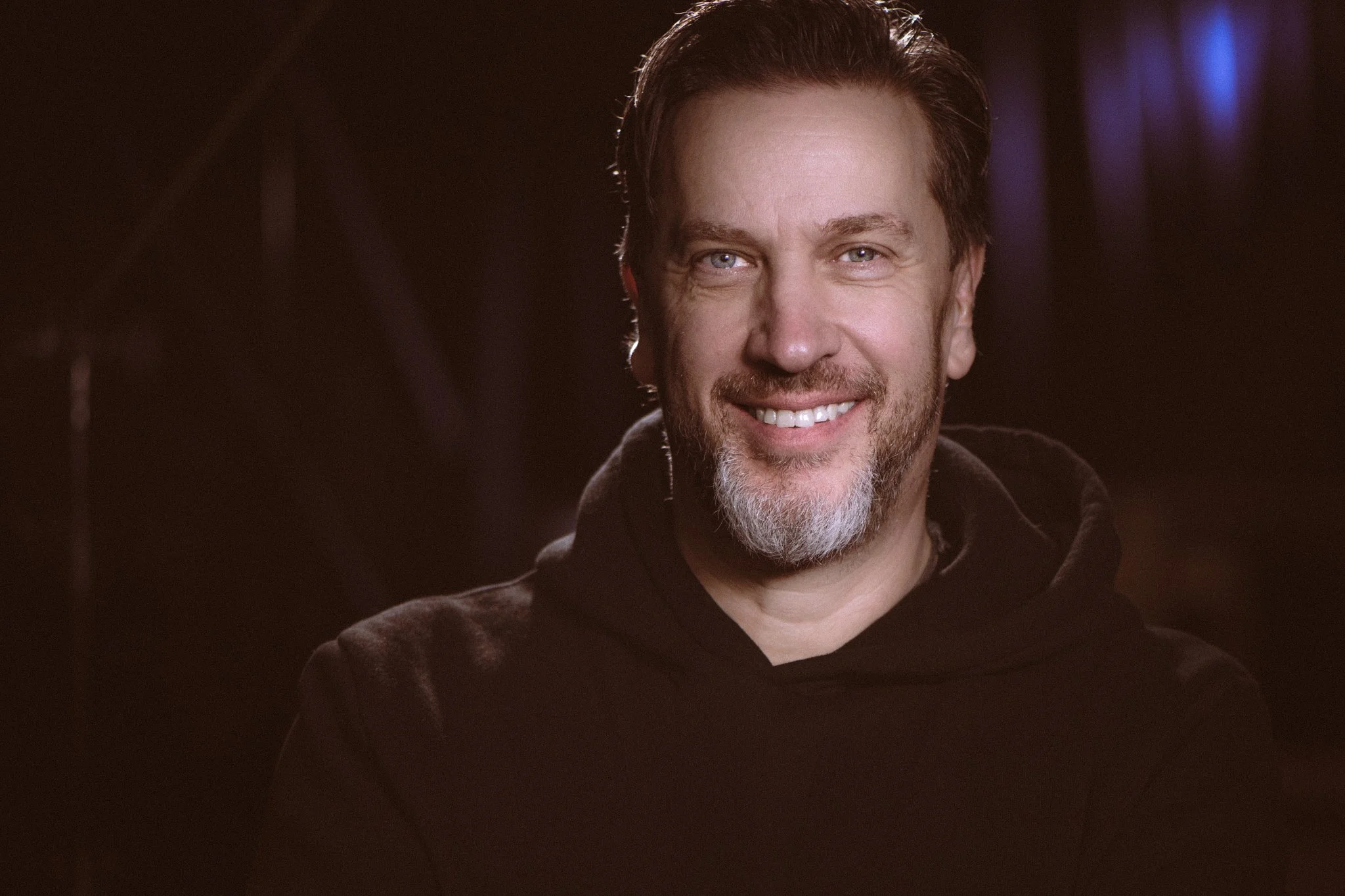
15 years of commercial photography for Revlon Professional, Wella International, and American Crew. Over 25 years of curriculum development and instruction, including for MacEwan University, University of Alberta, NAIT, and Edmonton Digital Arts College.
His photographic practice is rooted in Baroque chiaroscuro and Caravaggio-influenced dramatic lighting. This course comes directly from that practice.
The Details
DATES
October 5 & 19, 2026
5:30 pm - 8:30 pm (PST)
Live on Zoom
FORMAT
3-hour Sessions
Two Sessions
Recordings Included
Ready to get some time back?
Zoom link sent upon payment.
Recordings available to all registered participants.
© 2026 Heiko Ryll