
Not Getting Callbacks?
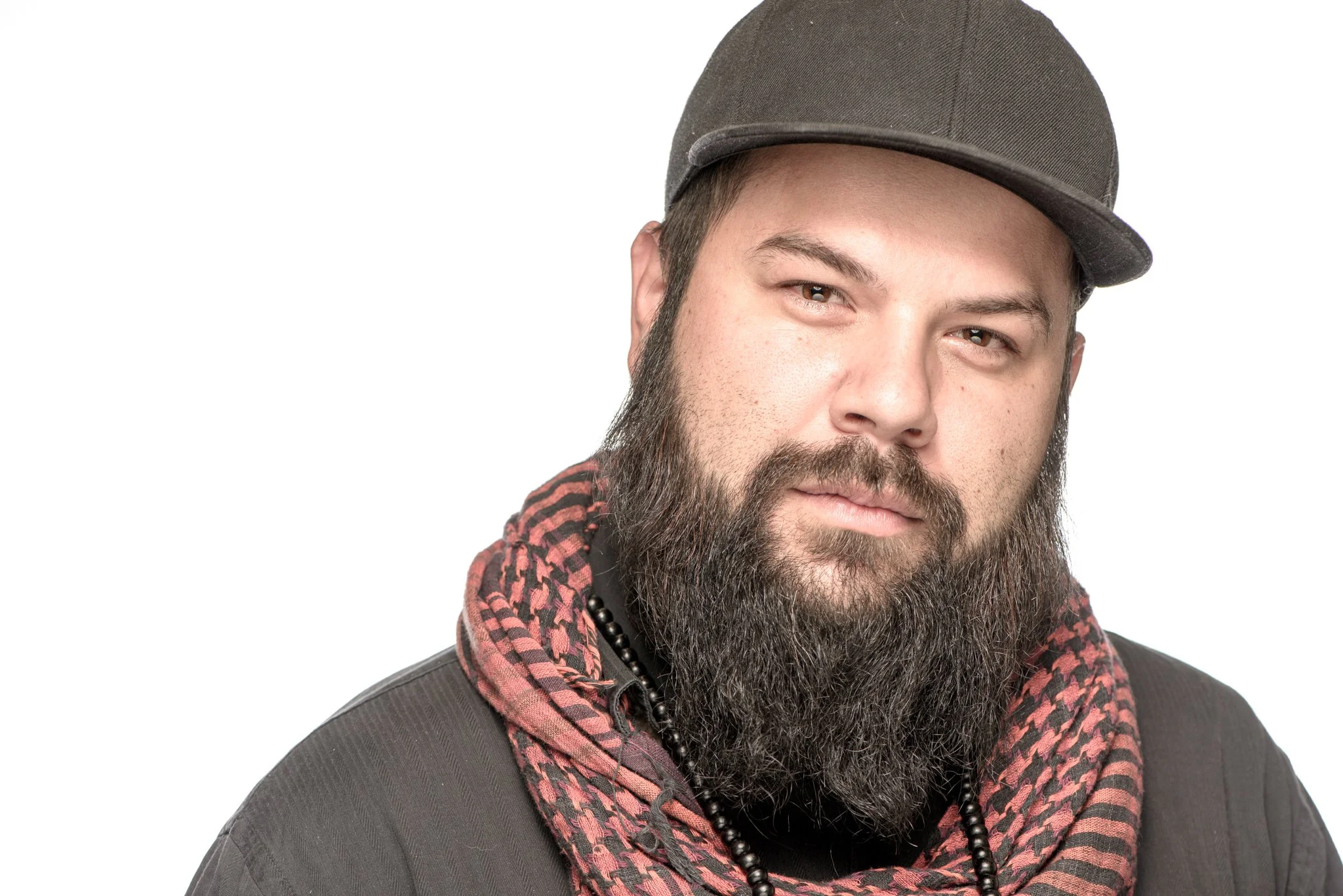
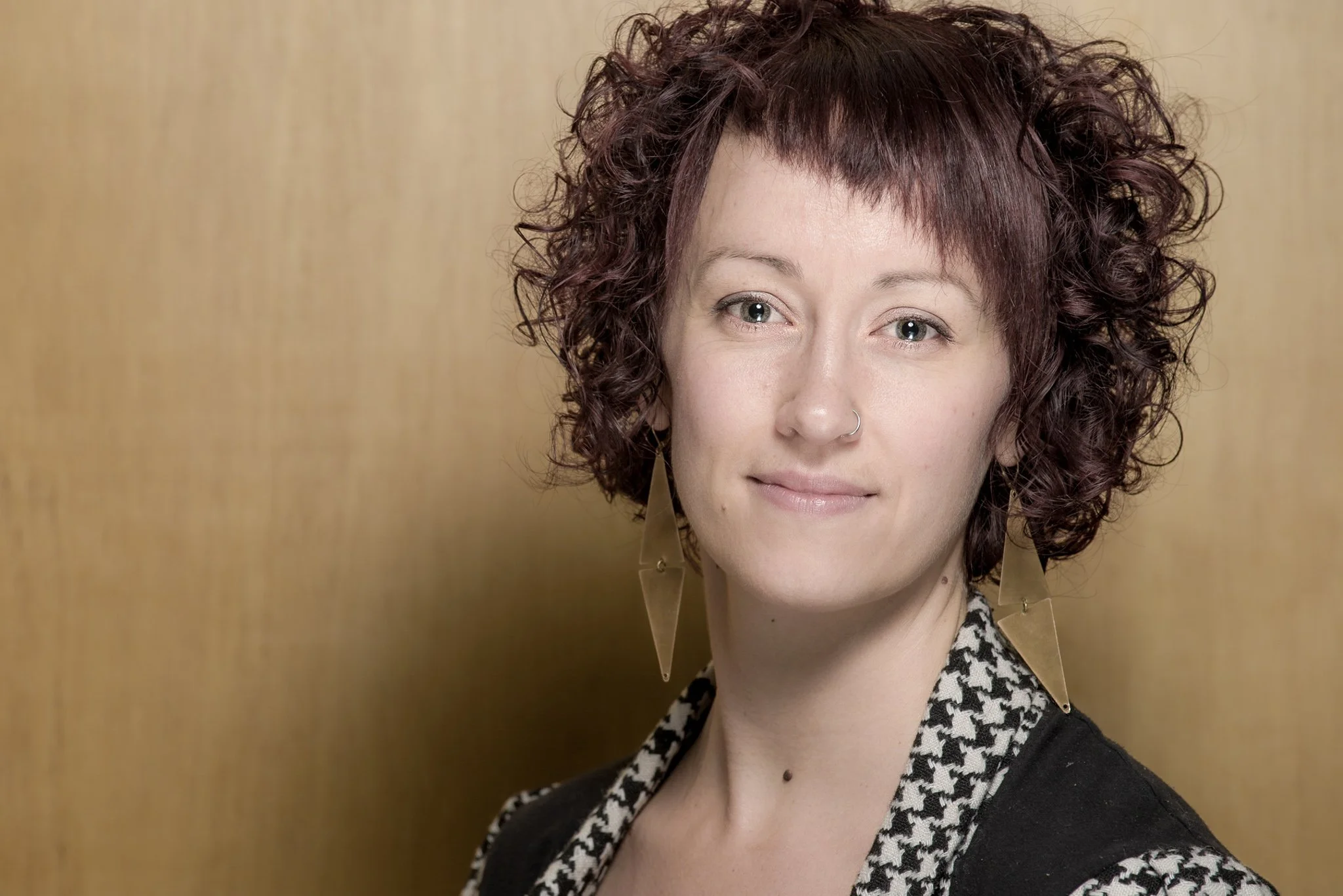
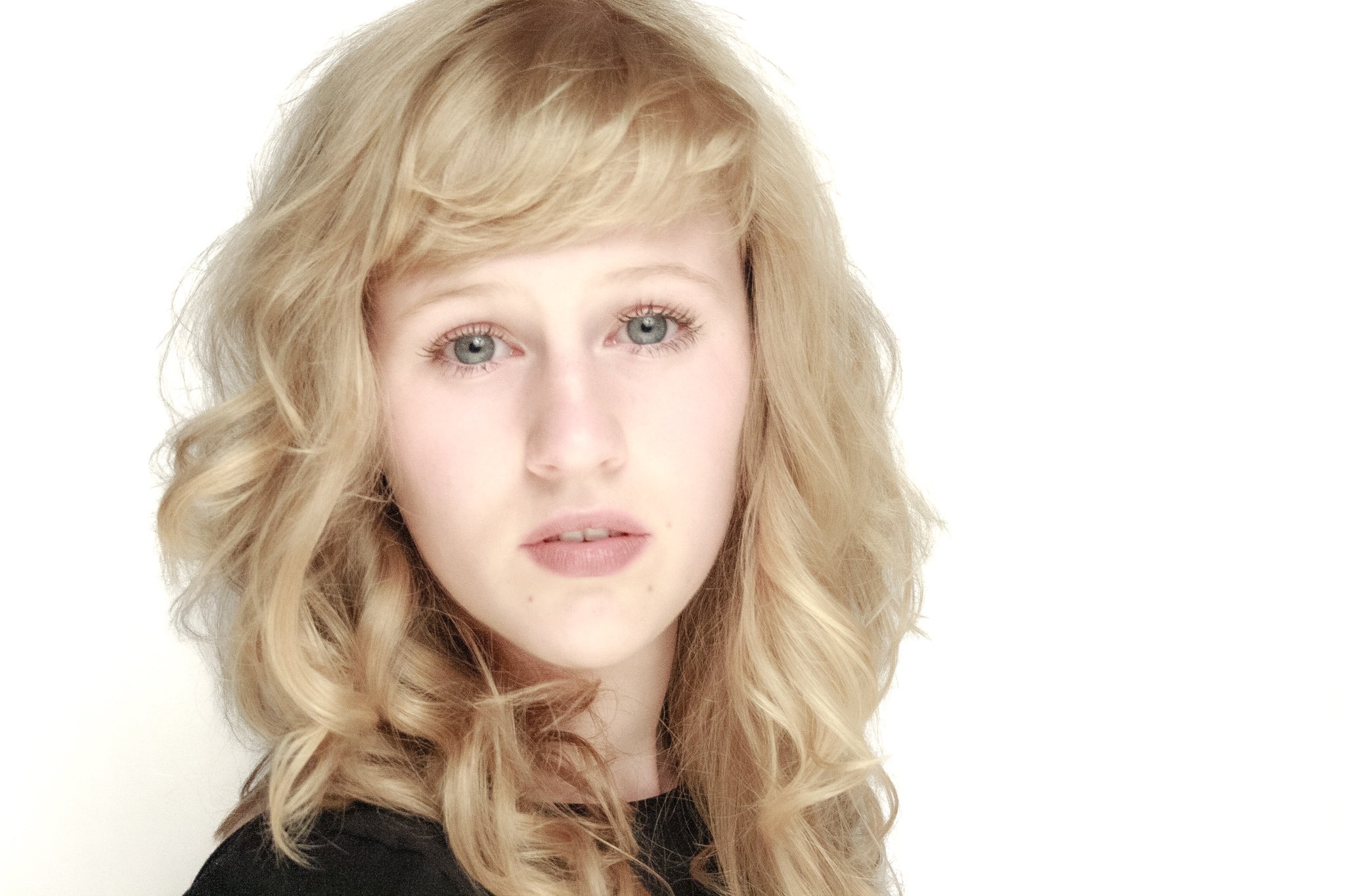
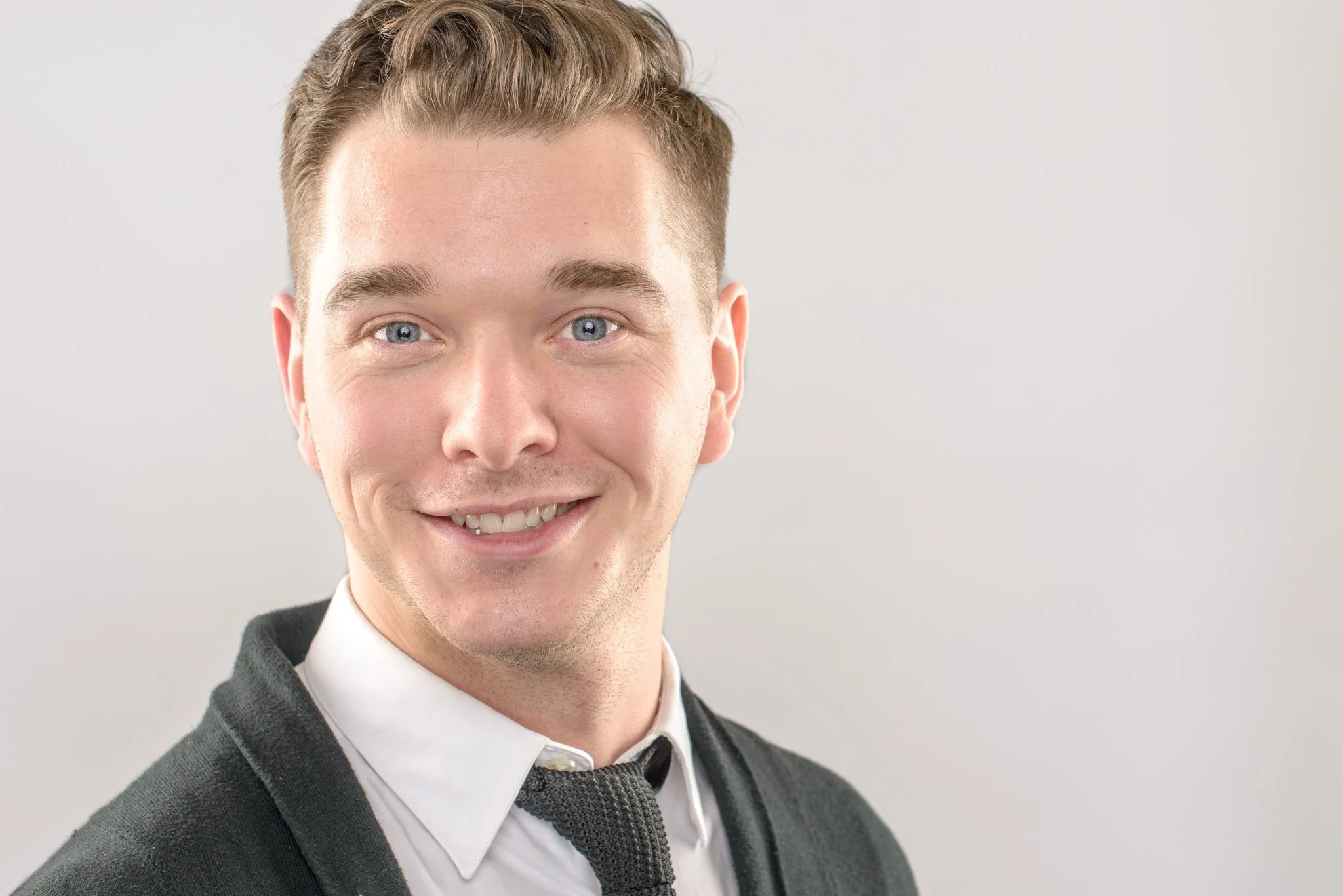
Your headshot is your first audition. Casting directors spend seconds on it. In that moment, they need to see you, not a version of you that's been smoothed into someone they won't recognize when you walk into the room.
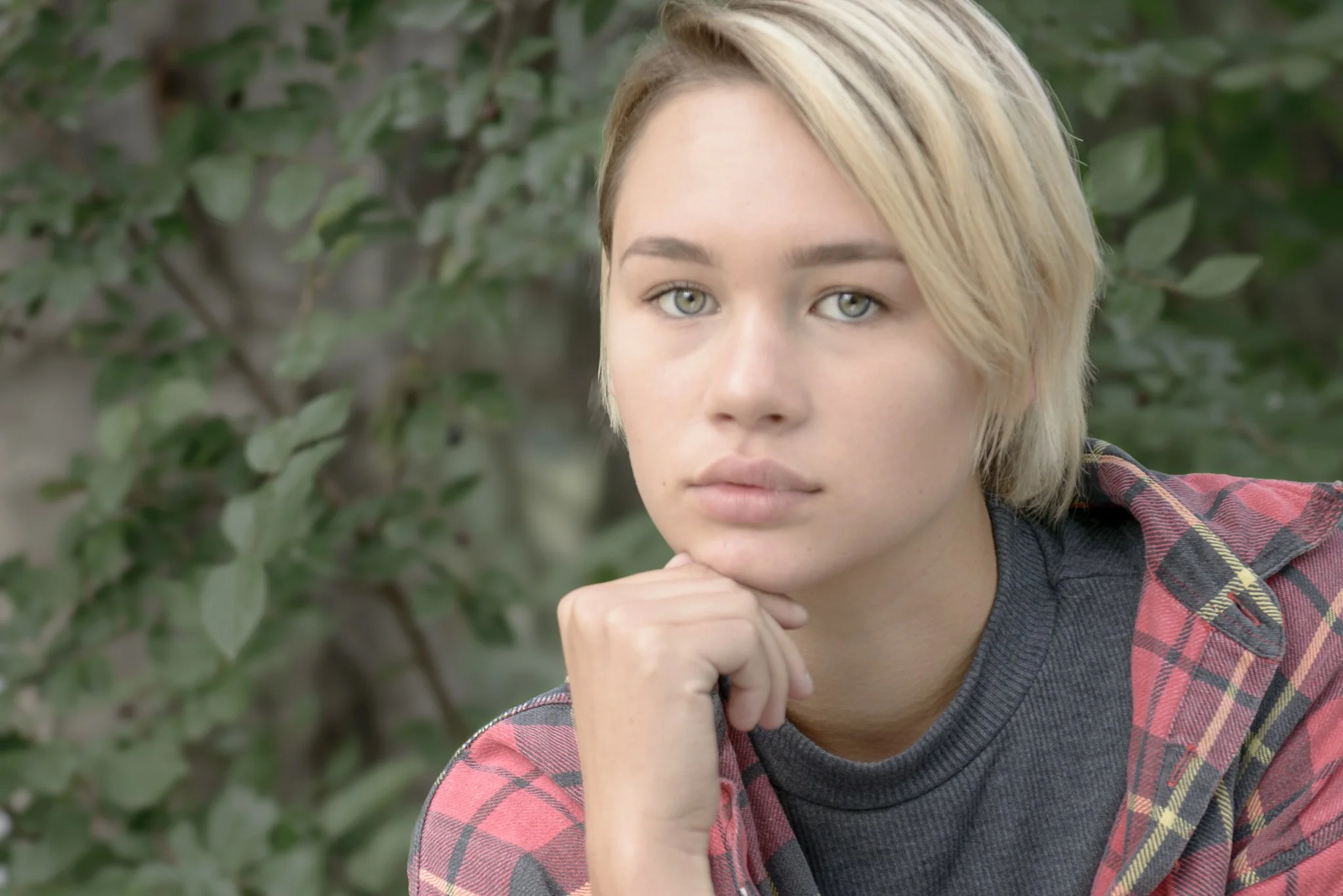
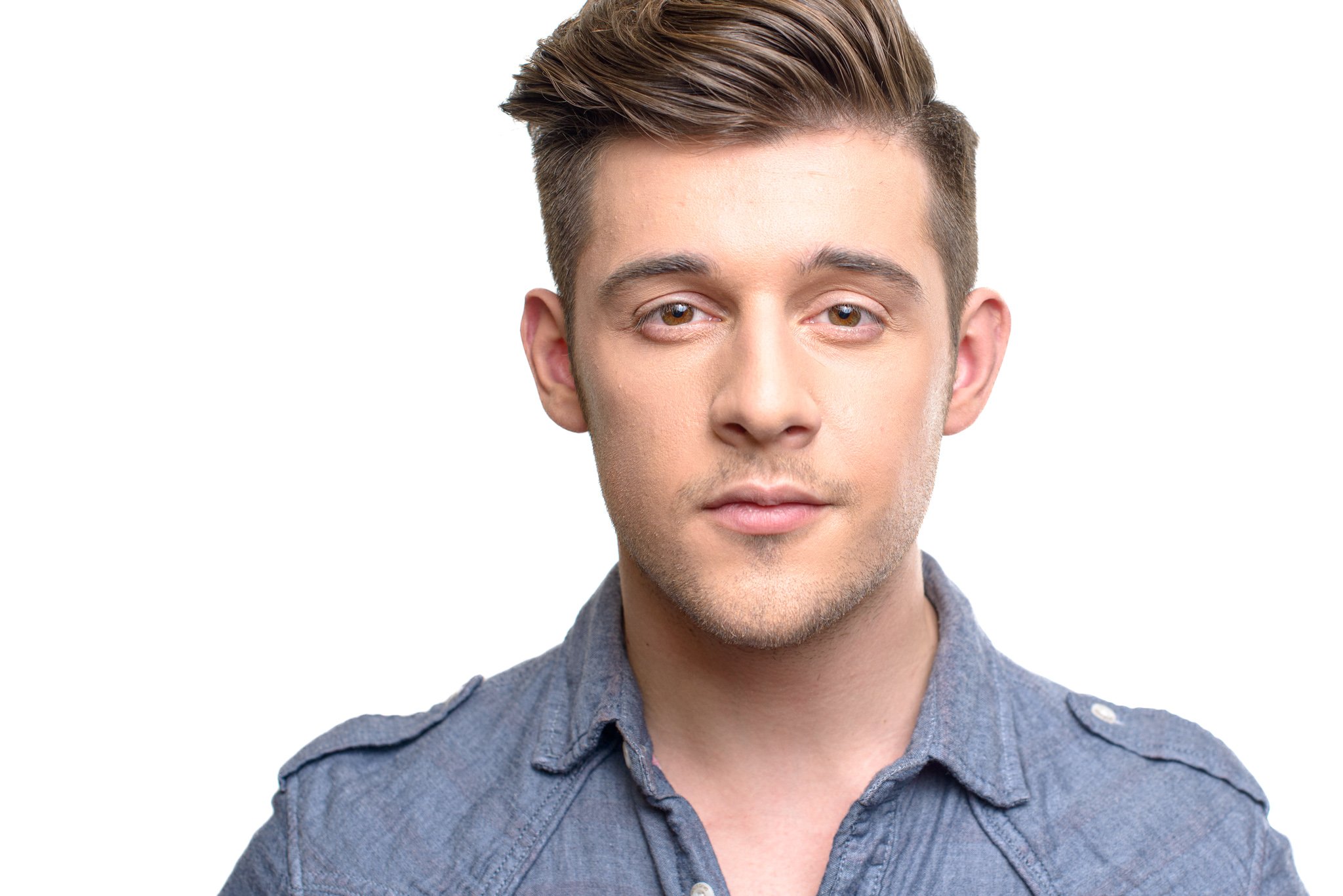
The Problem With Most Actor Headshots.
A generic headshot means casting directors pass you by before you ever get to show what you can do. You've put in the training, the classes, the auditions. But your headshot won't let you through the door.
It shouldn't be this way.
You shouldn't lose an opportunity because your headshot looks like everyone else's. You shouldn't walk into an audition and watch the casting director glance at your photo and realize it won't match the person standing in front of them. And you shouldn't have to wonder if the reason you're not getting callbacks has nothing to do with your talent.
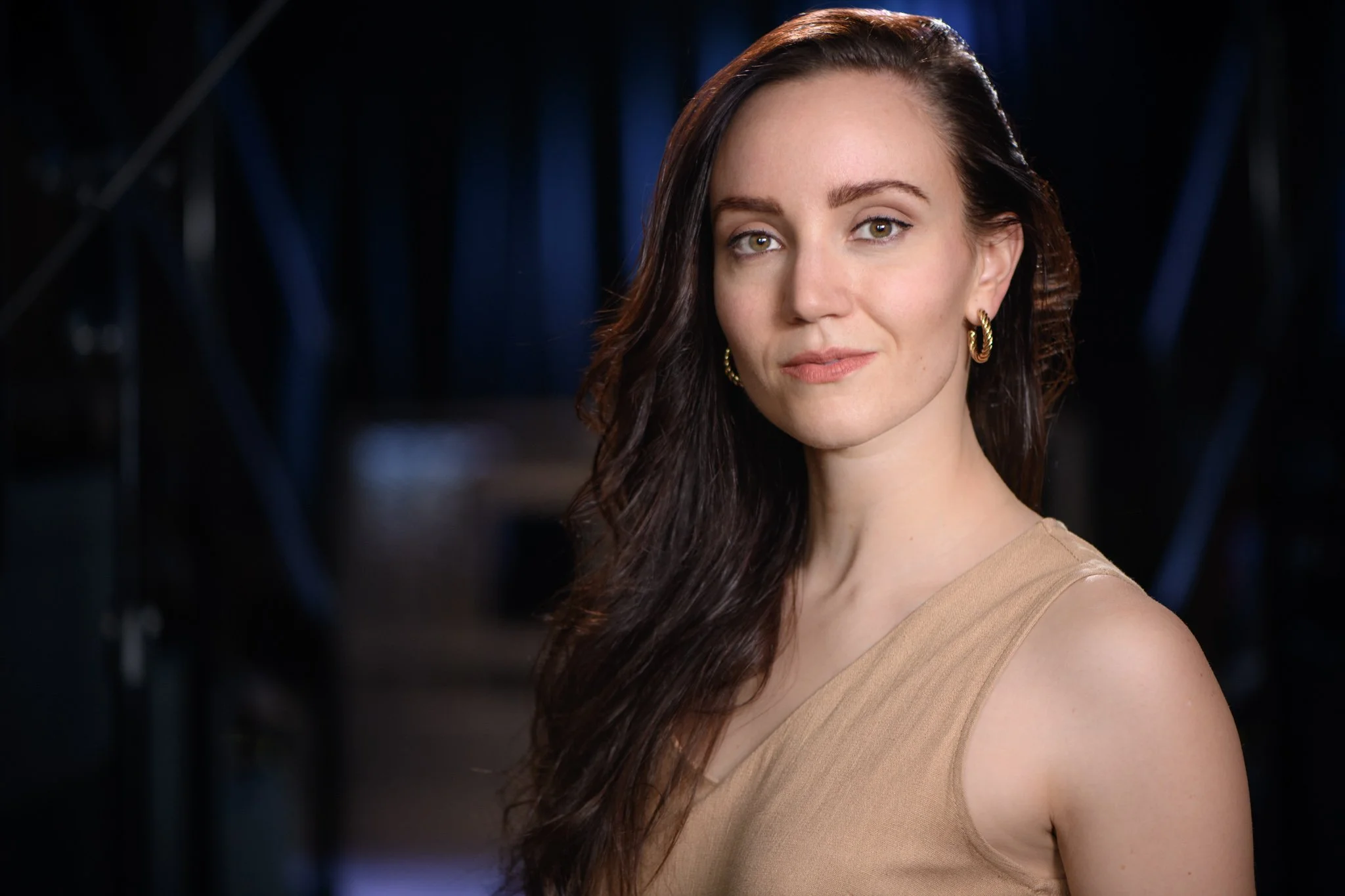
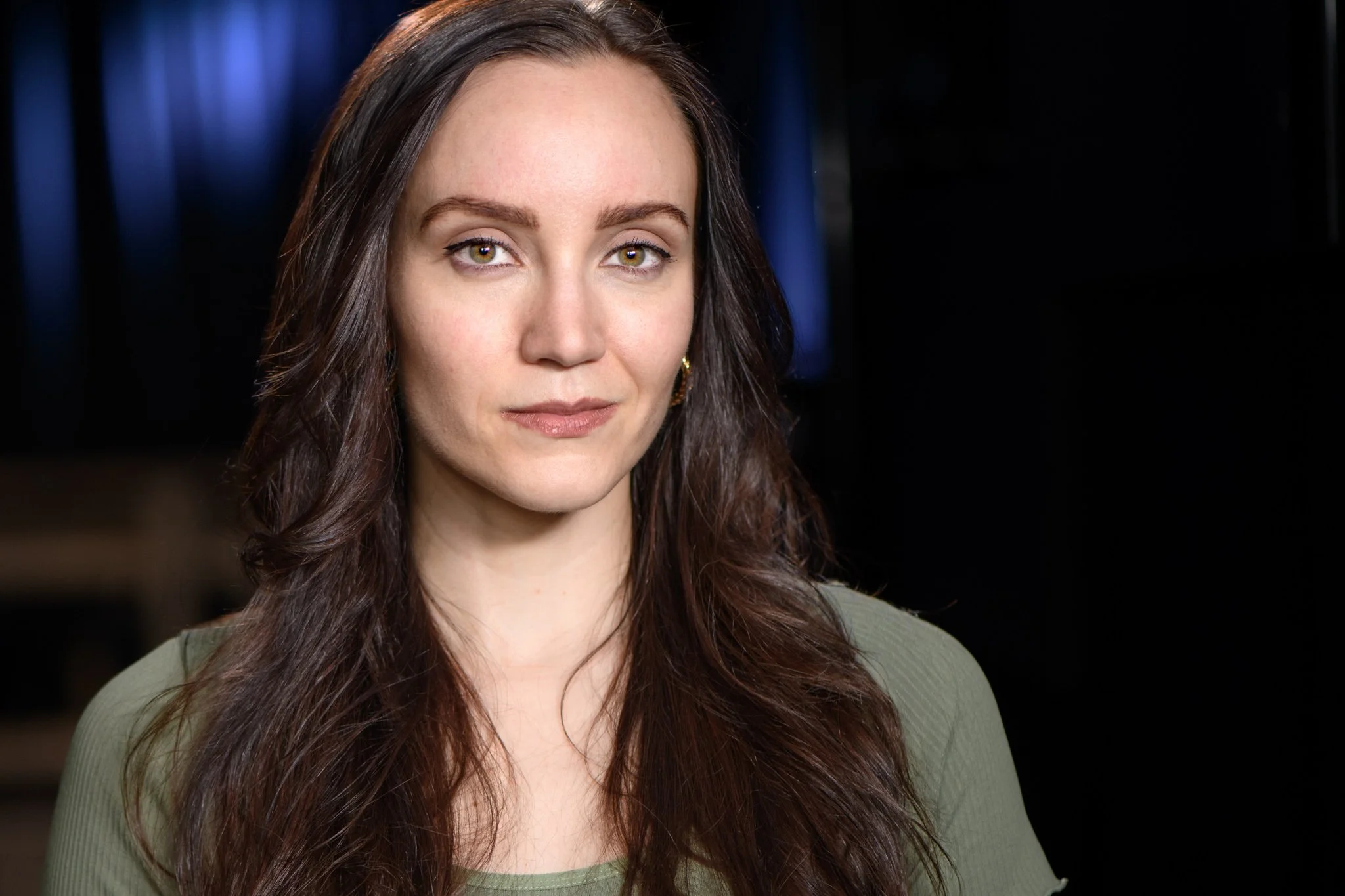
But here's what happens when actors settle for the wrong photographer: they get headshots that are fine on paper but flat in feeling. Photos that won't stop a casting director mid-scroll. Images that say "I had a photo taken" instead of "I belong in this role."
A forgettable headshot won't cost you just one audition.
Directed the Way a Director Would on Set.
I'm studying and learning what casting directors look for, and I've worked with an acting coach to learn how to speak with actors, not at them. This isn't a "stand there and smile" session. I direct you through expressions, energy, and intention, the way a director would on set, because your headshot shouldn't just capture your face. It should capture your presence.
Every session is shot at Tempest Theatre in Penticton, a working performance space, not a generic studio. You're stepping into an environment built for performers, and it shows in the work.
Here is how it works.
-
Before the camera comes out, we discuss the roles you're pursuing, your casting type, and the reaction you want from casting directors. You shouldn't walk into a headshot session without a strategy.
-
I shoot tethered, which means every image appears on a large monitor in real-time. You'll see what's working as we go. No waiting, no surprises. We review together, adjust in the moment, and build on what's landing.
-
You walk away with retouched images that increase your chances of getting a callback, where your headshot won't be the thing holding you back.
The Experience.
-
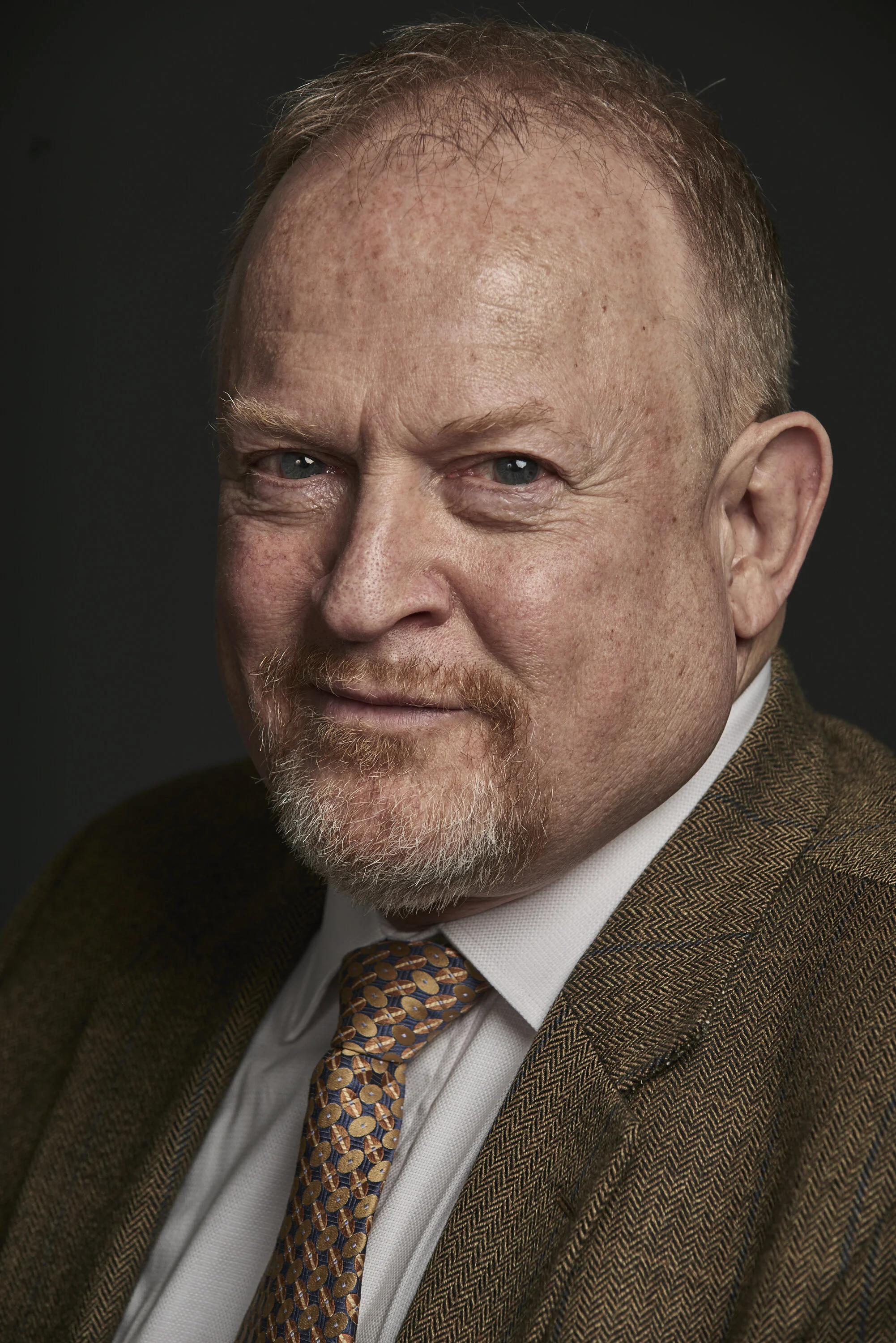
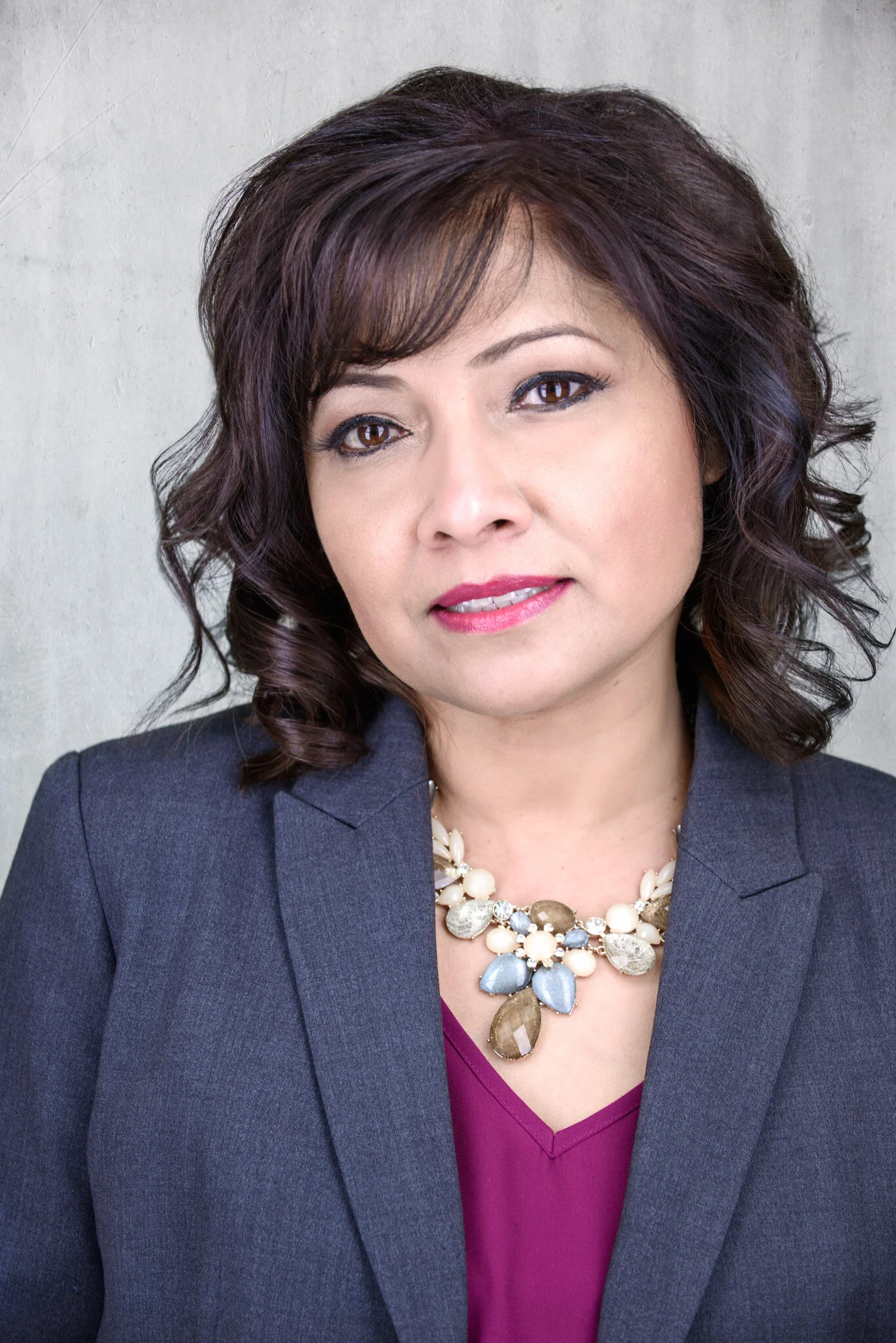
The difference between a forgettable headshot and one that books you work is in the subtlety of expression. We'll work through specific looks: approachability, confidence, intensity, curiosity. We use techniques that create genuine emotion rather than forced poses. Expect direction like "think of something that makes you want to smile" rather than "smile bigger."
-
I shoot tethered, meaning every image appears on a large monitor the moment it's captured. You'll see what's working as we go. No waiting, no surprises. We review together, adjust in the moment, and build on what's landing. You won't leave wondering if we got the shot. You'll know.
-
Your headshot needs to answer the question casting directors ask: Can I see this person in the role? We'll identify your type, discuss the characters you're right for, and capture expressions that support that brand. You won't leave with a pretty photo that doesn't serve your career. You'll leave with images that tell casting who you are.
Choose Your Session
-
Up to 60 minutes of shooting time. Multiple looks and setups. 3 retouched final images. Online gallery of proofs. This is the session for actors who want to explore range and leave with options.
-
Available to students enrolled in accredited acting programs. Same session, same deliverables, same direction. Your training shouldn't be held back by your headshot budget.
-
Up to 30 minutes of shooting time. Single look/setup. 2 retouched final images. Online gallery of proofs. For actors who know their type and want to get in and get out with something strong.
Come Ready to Work.
-
Most people photograph better from one side. Spend time in front of a mirror before your session. Examine your eyes, jaw, and nose from different angles. Notice which side feels stronger. We'll refine this together, but arriving with some awareness speeds things up
-
Bring 3–5 tops in solid colours. Rich, deep tones photograph best: forest green, burgundy, navy, charcoal. Avoid logos, busy patterns, and tiny stripes (they create distracting visual interference on camera). Layers add visual interest, so bring a jacket or two.
-
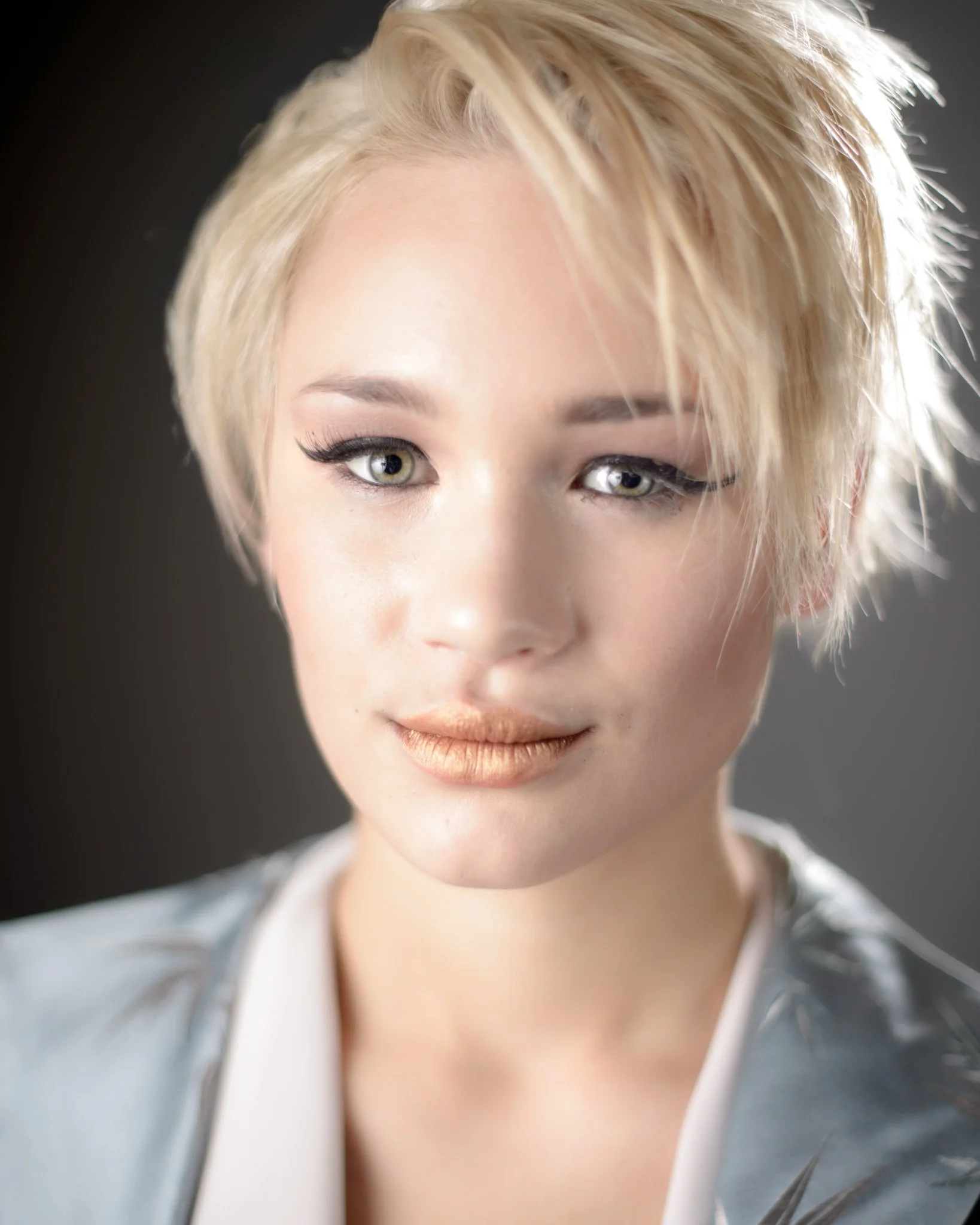
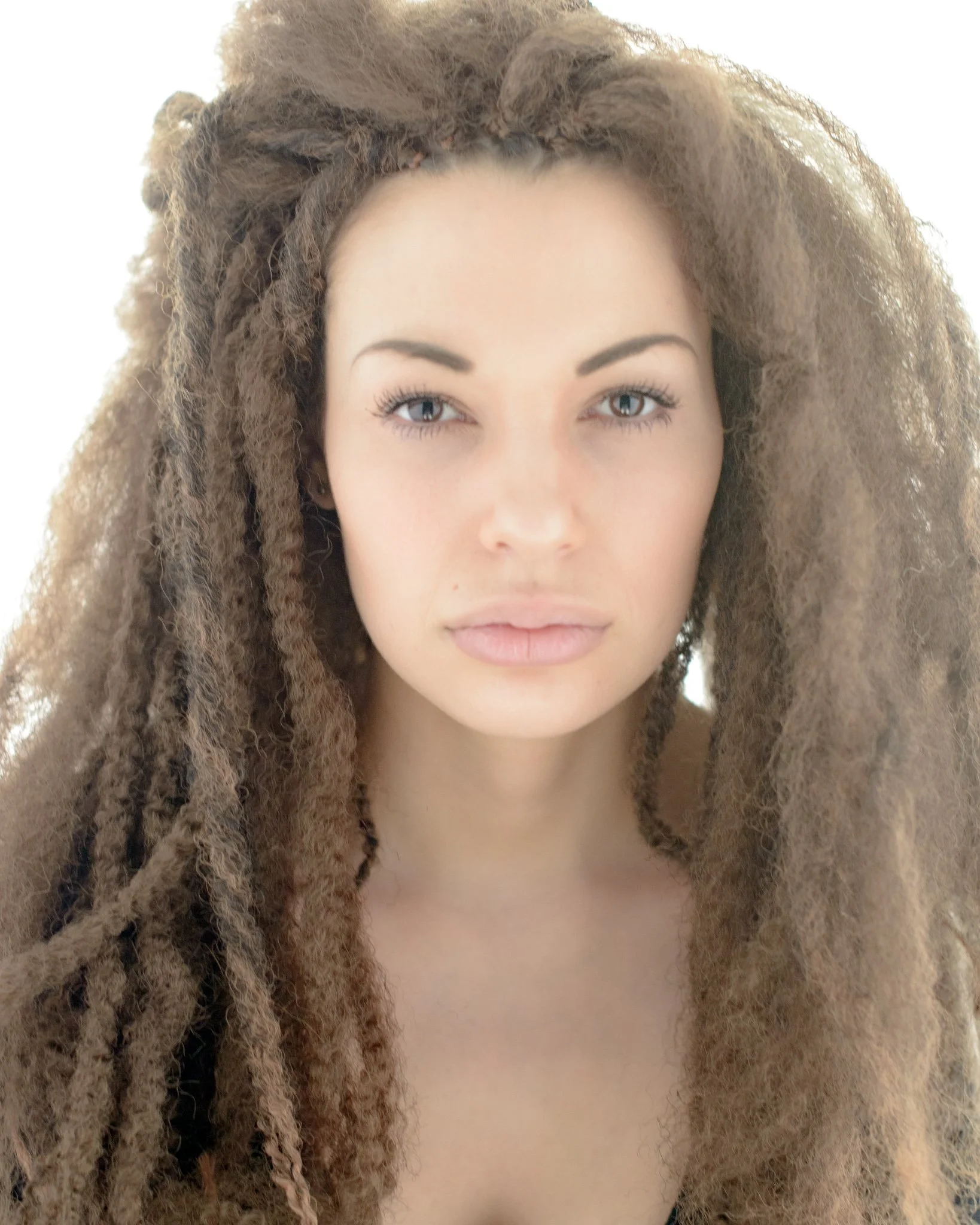
Casting directors want to see the real you. Hair and makeup should reflect how you'd show up to an audition. If you wear makeup, wear it, just enhanced for camera. Men: shave or don't, but commit to whichever reflects your current look. Your headshot shouldn't show a version of you that won't walk into the room.
-
Know your type. Come ready to discuss the roles you're pursuing so we can tailor expressions and energy to your casting goals. Think about: What characters have people said you look like? What personality do you most enjoy playing? What reaction do you want when a casting director sees your headshot?
Frequently Asked Questions
-
Retouched images are delivered within 3 days of final selection. Since we review and select images together during the session, there's no waiting to see what you got.
-
Most people feel this way. That's why I shoot tethered. Every image appears on a large monitor in real-time. You'll see what's working as we go, we'll adjust together, and you'll make your final selections before you leave. You won't walk out wondering.
-
Not always. Casting directors want to see what you look like. Your headshot shouldn't show a version of you that won't match who walks into the audition room. If you wear makeup, wear it as you would on a regular day, enhanced for camera. Professional services are available if you want them.
-
Solid colours in rich, deep tones photograph best. Avoid logos, busy patterns, and pure white. Bring 3–5 options and we'll decide together what works best once we see how things photograph.
-
Get a good night's sleep. Drink water. Arrive with clean hair styled as you wear it. Come prepared to discuss your type and the roles you're pursuing. The more you know about your casting goals, the more targeted we can make the session.
-
Actor headshots are shot at Tempest Theatre in Penticton, a working performance space that brings authentic theatrical energy to your session. The controlled environment and professional lighting shouldn't be compromised for convenience.
-
Industry standard is every 1–2 years, or whenever your look changes (new hairstyle, weight change, aging). If your headshot won't match who walks into the audition room, it's time.
Don't Be Held Back by Your Headshot
A generic headshot costs you callbacks. One session changes that.
Great acting gets you the part. A great headshot gets you in the room.
Based in Summerland, BC. Shooting at Tempest Theatre, Penticton. Serving actors across the Okanagan.